
Bryce Canyon National Park
Category: National Park, Nature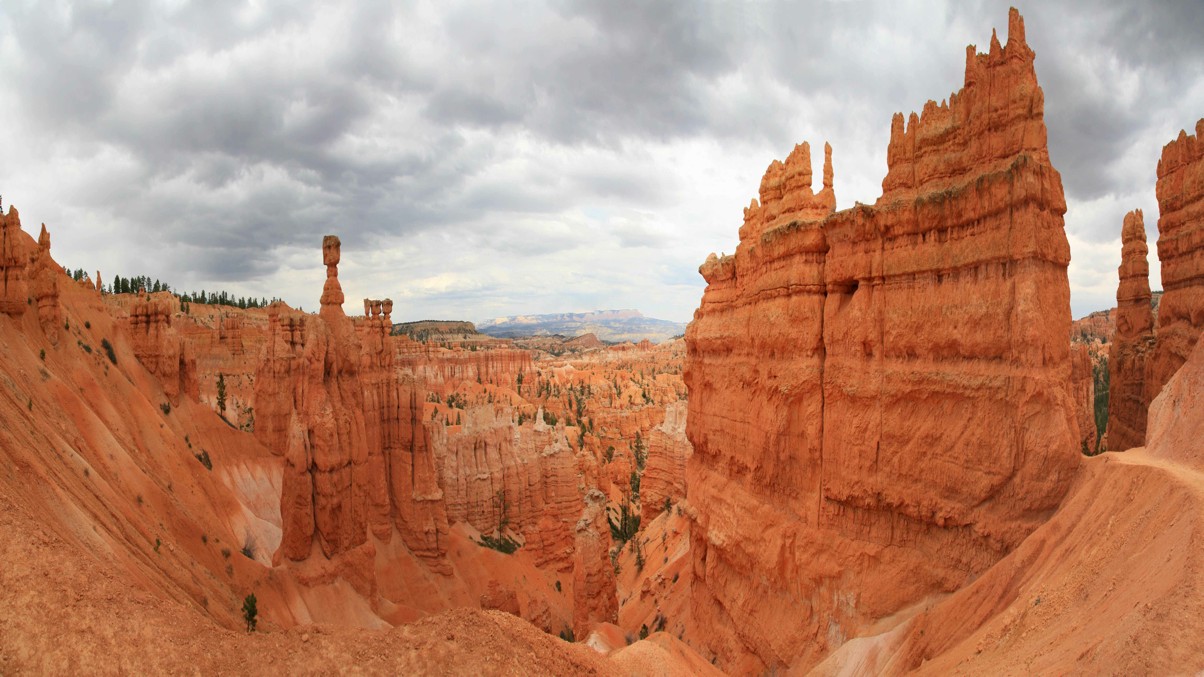
About
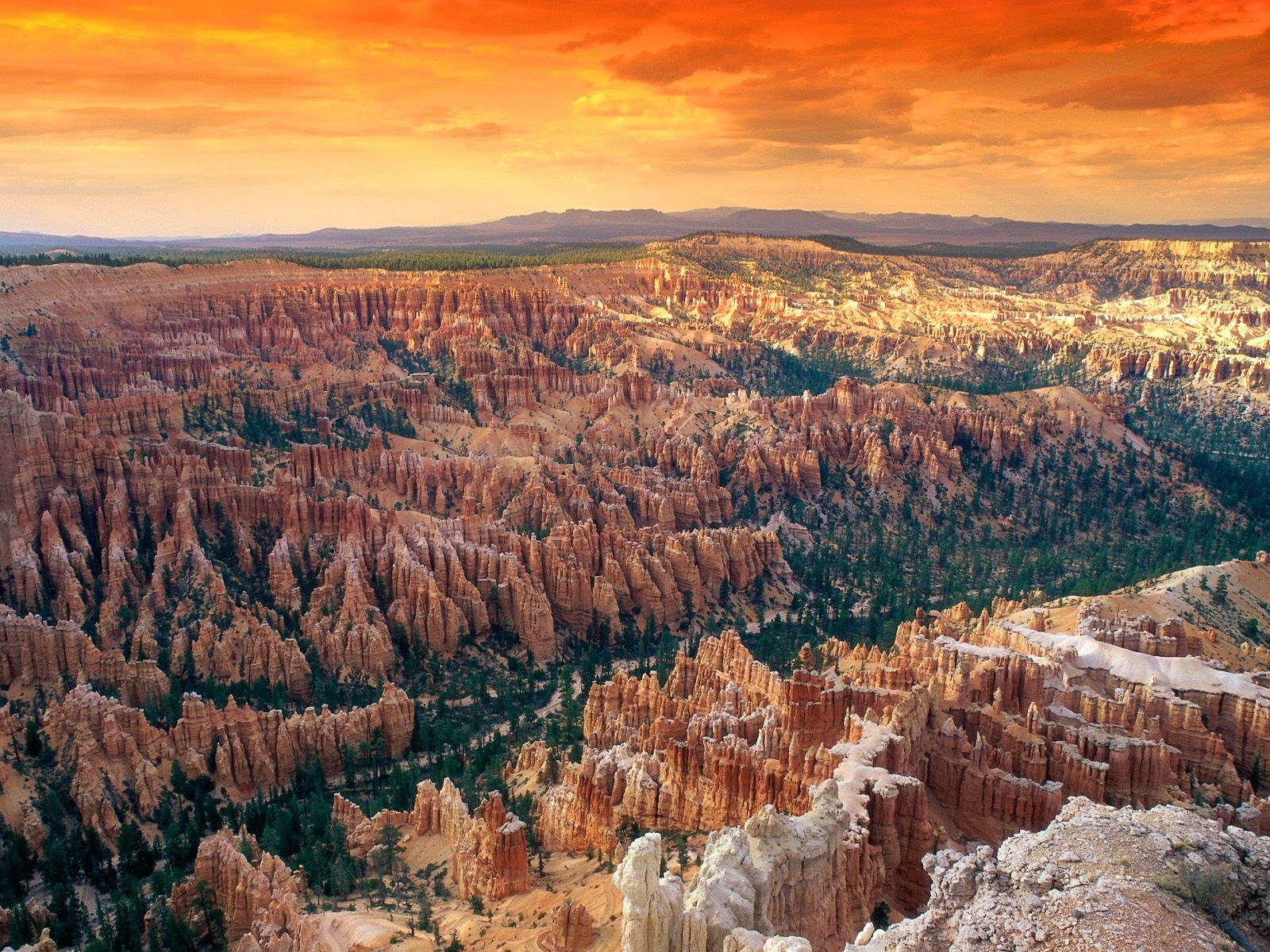
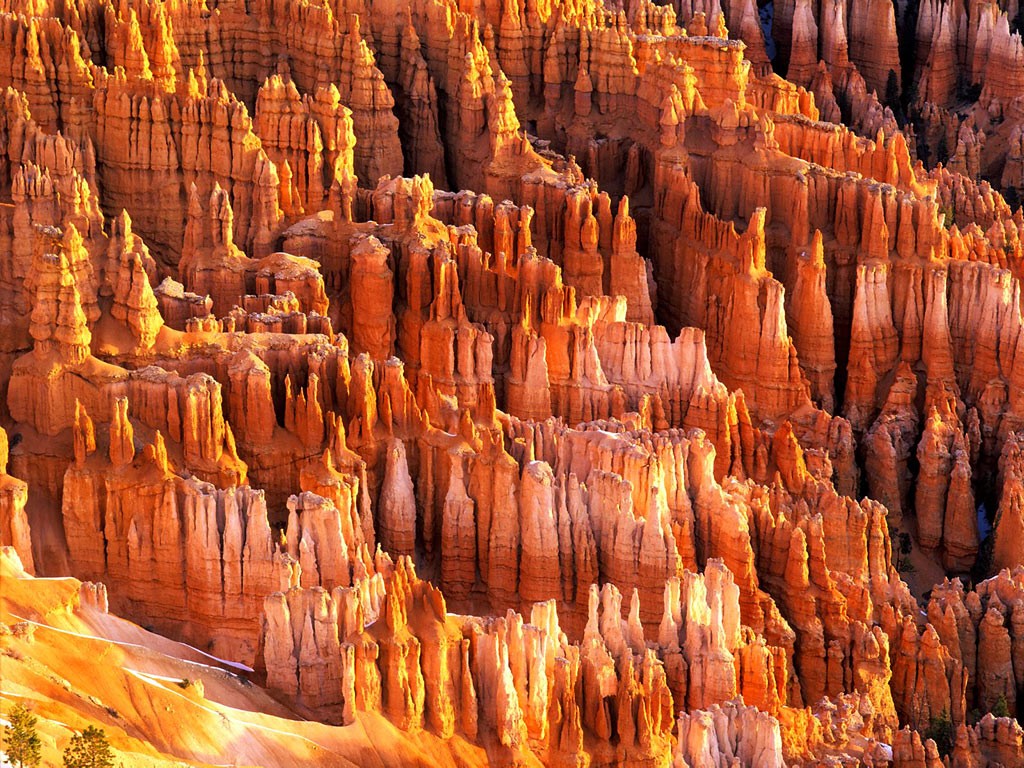
Bryce Canyon National Park sits on the edge of the Paunsaugunt Plateau in southern Utah and holds the largest concentration of hoodoos on Earth. Despite the name, Bryce is not technically a canyon but a series of natural amphitheaters carved by millions of years of freeze-thaw weathering, which continues to shape the orange, red, and white spires every winter.
The park’s rim sits between 8,000 and 9,000 feet in elevation, high enough that snow often lingers into spring and skies feel sharper year-round. Bryce is certified as an International Dark Sky Park, and on a clear night the Andromeda galaxy is visible to the naked eye. Acoustic studies have also measured the ambient sound here at levels closer to a recording studio than a national park. The main viewpoints along the 18-mile scenic drive, including Sunrise Point, Sunset Point, Inspiration Point, and Bryce Point, each offer a different read on the hoodoo amphitheaters below.
A Bryce Canyon road trip fits naturally into a wider Utah or Southwest tour, often paired with Zion, Capitol Reef, and the Grand Canyon. Smaller guided retreats here tend to focus on dawn hikes along the Queen’s Garden and Navajo Loop trails, when the light catches the hoodoos and most tour buses haven’t arrived yet.