
Mt. St. Helens National Park
Category: National Park, Nature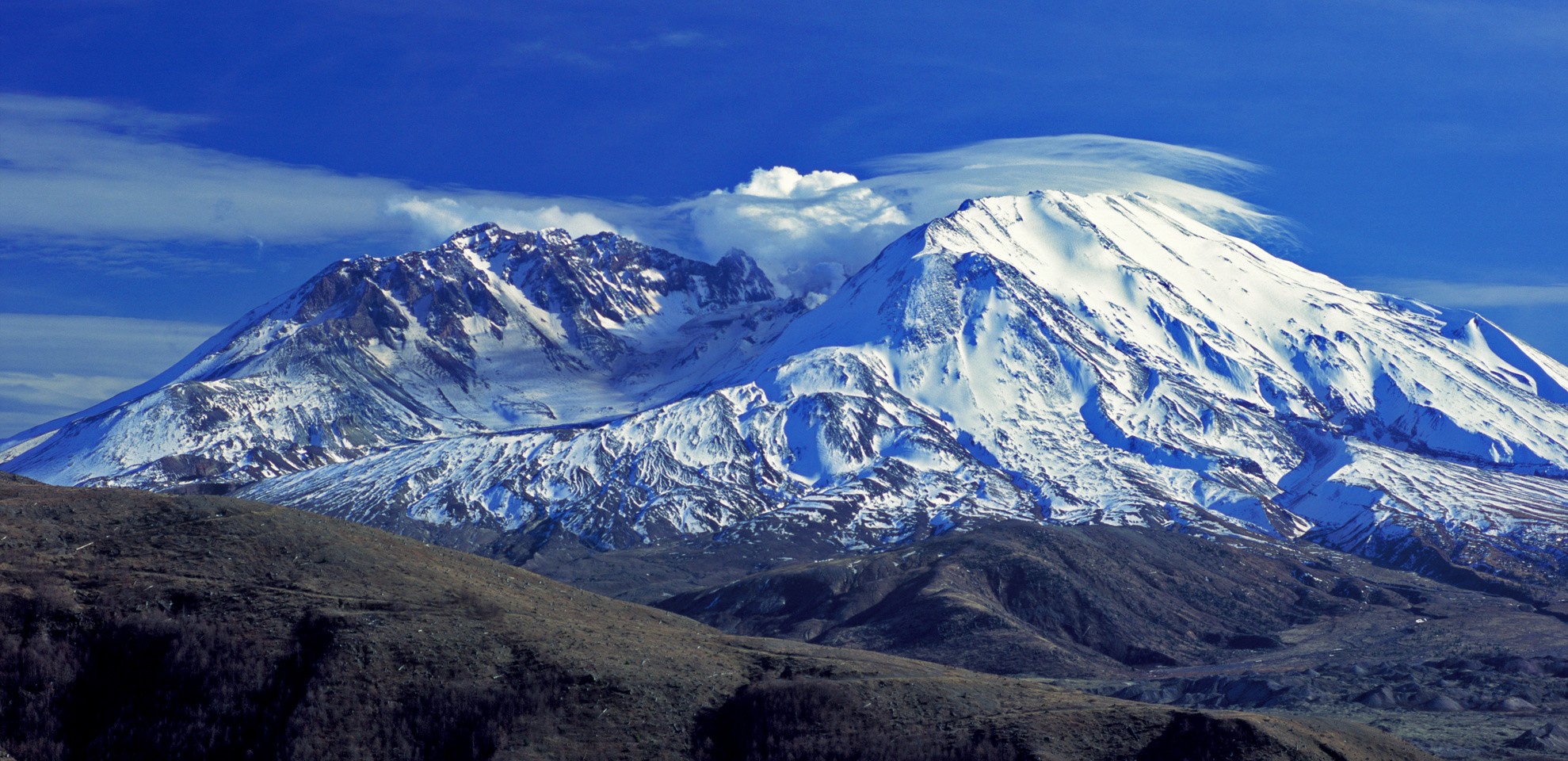
About
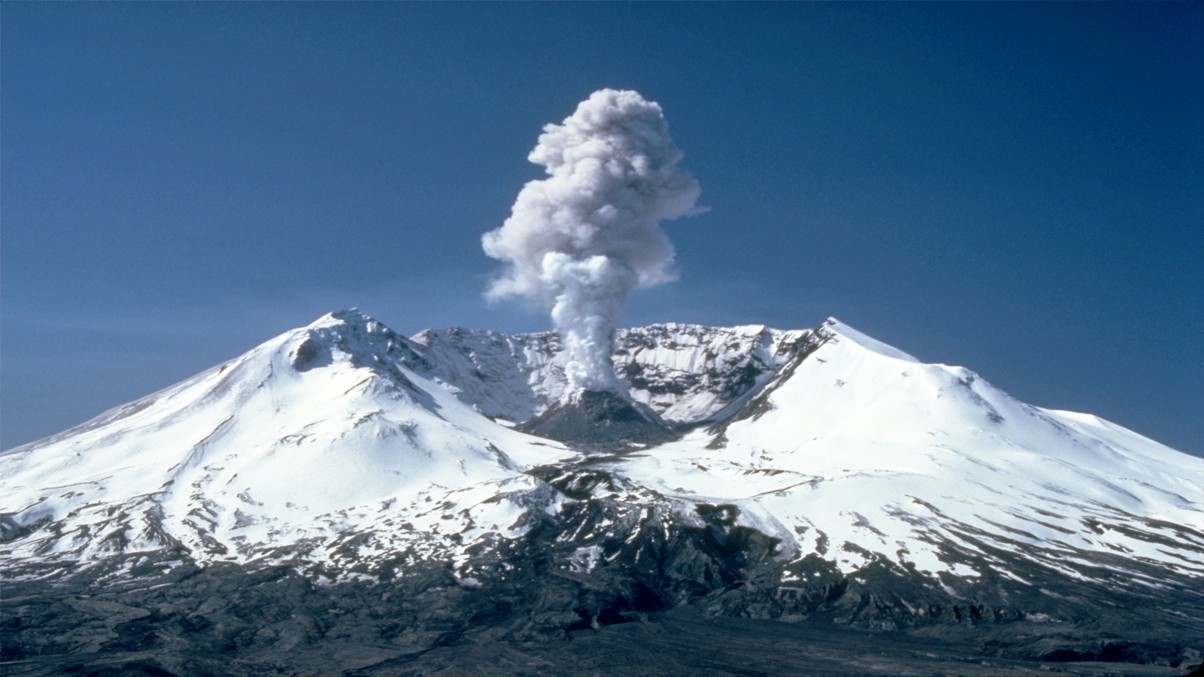
Mount St. Helens sits in southwestern Washington, about 96 miles south of Seattle, and is now a National Volcanic Monument managed by the U.S. Forest Service rather than the National Park Service. Like its larger neighbor Mount Rainier, it is an active stratovolcano, built from layers of hardened lava and ash over thousands of years.
On May 18, 1980, the mountain produced the most destructive volcanic eruption in U.S. history. The north face collapsed in the largest landslide ever recorded, followed by a lateral blast that flattened 230 square miles of forest in minutes, and a column of ash that reached 15 miles into the atmosphere. The eruption took roughly 1,300 feet off the summit, leaving the horseshoe-shaped crater and the growing lava dome that define the mountain today. It still rises to about 8,365 feet.
The surrounding monument was set aside to let the landscape recover naturally, and it now serves as one of the most important ongoing studies of ecological recovery anywhere. Johnston Ridge Observatory, Windy Ridge, and the Ape Cave lava tube each offer a different perspective, from the blast zone to the pre-eruption forest that survived on the south side. Trails range from short interpretive walks to multi-day backcountry routes around the crater.
A Mount St. Helens road trip pairs naturally with Mount Rainier and Portland on a longer Pacific Northwest tour, and smaller guided retreats use the monument to balance geology, hiking, and recovery landscape reading.